
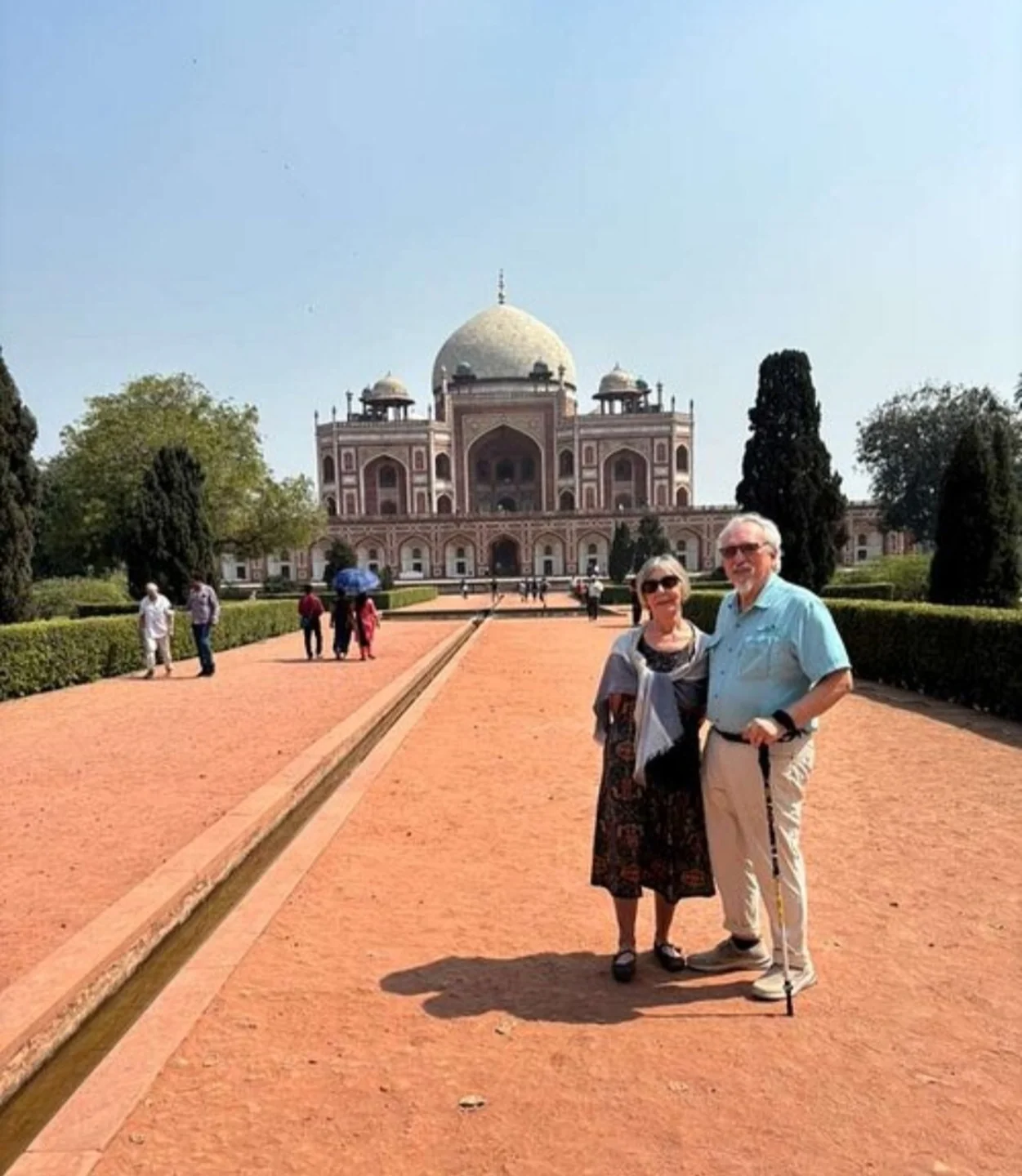
A Golden Triangle tour involves more walking and standing than the phrase private car tour may suggest. Your driver connects Delhi, Agra and Jaipur and reaches permitted drop-off points. Inside monuments, bazaars and historic complexes, you still encounter paths, courtyards, queues and sometimes stairs. The route can be adjusted, but no standard itinerary should be assumed to be step-free.
There is no single reliable distance for the whole tour. The answer changes with the entrances used, the parts of each site you choose, parking arrangements, crowds and the location of your hotel. Use this guide to ask for a visit-by-visit plan rather than a vague assurance that the tour is easy.
Describe what is comfortable for you
Tell us how long you normally walk before wanting a seat, whether you can manage a few steps with a handrail, and whether uneven ground is difficult. Mention if prolonged standing is harder than walking. If you use a walking aid or wheelchair, its size and any assistance required can affect the vehicle and hotel choice.
You do not need to assign yourself an age-based category. A useful description is: I enjoy a short outdoor walk, need regular sitting breaks and would prefer to skip steep staircases. That helps us choose the programme. It also makes clear where a particular monument may not fit your needs without substantial adjustment.
Delhi: choose the kind of exploration
Delhi can combine a major monument, a garden, a neighbourhood and a museum. Doing all of these in one day adds repeated getting in and out of the vehicle. In Old Delhi, a rickshaw segment may reduce some walking, but boarding the vehicle and reaching the meeting point still need consideration. Narrow lanes are not a substitute for a continuous accessible pavement.
At large monuments, ask about the distance from the permitted drop-off to the entrance and from the entrance to the part you most want to see. You may prefer a shorter visit with time to absorb the setting over covering every part of a complex. Explore our Delhi destination guide to choose your priorities.
Agra: allow time around the Taj Mahal
The Agra district's official Taj Mahal information lists wheelchair availability at entrance gates. Availability does not mean that every part of the monument is equally accessible or that no assistance is needed. Ask us to confirm the current approach route, equipment availability and the sections suitable for your needs.
Also consider security procedures, waiting and the return to your vehicle. If you visit early, leave the rest of the morning open for breakfast and a break. Combining the Taj Mahal, Agra Fort and the drive to Jaipur into one day may feel quite different from seeing them across two days. A second night in Agra can reduce that pressure.
Jaipur: decide which levels and viewpoints matter
Jaipur's forts and palaces include changes in level. Ask for a clear explanation of the approach, stairs and the rooms or courtyards included in your visit. A vehicle may shorten the approach to an attraction without solving access within it. Historic architecture can have narrow passages and uneven thresholds even where the main courtyard is spacious.
A bazaar visit can be a short introduction rather than a lengthy walk. Choose the craft or area that interests you and agree a meeting point. Avoid adding shopping after a full morning purely because it appears nearby on the map. Traffic, heat and crowds can turn a small addition into a tiring finish.
Ask for these details in the proposal
- The likely walking and standing involved in each main visit, described separately.
- Any unavoidable steps, steep sections or uneven surfaces.
- Where the driver can drop you and where you rejoin the vehicle.
- Whether equipment or personal assistance needs advance booking.
- A shorter alternative if you decide to stop early.
- Room access, shower arrangement and the route from reception to breakfast.
These questions are more useful than asking whether a whole destination is suitable for seniors. Access can differ between room categories in the same hotel and between entrances at the same monument. Written confirmation gives everyone a shared understanding before arrival.
A comfortable day is about spacing
Try one main visit in the morning, a proper meal and rest, then a short optional outing. Where conditions allow, this can be easier than several consecutive stops. It also gives you a decision point: continue, choose something lighter, or stay at the hotel. Keep the programme manageable in the first place so an alternative does not mean missing every important experience.
Our Golden Triangle at Your Pace can be extended from six days to allow longer stays. The aim is to match the route to what you enjoy doing. Tell us about your walking preferences before you book; we will explain what can be adapted and where the physical character of a site remains a constraint.