The people behind Travel in Layers
Meet our team.
Our team profiles introduce the people and the approach behind your private India journey.
A personal approach to India
Abhishek Kumar is a Founder of Travel in Layers. The company’s starting point is a simple idea: a private holiday should fit the traveller, rather than asking the traveller to fit a fixed programme. That means listening carefully before deciding which places, hotels and experiences belong in a journey.
Read more about Abhishek Kumar
The approach begins with a conversation about what you enjoy. Some guests want grand forts and well-known landmarks. Others are drawn to food, local traditions or quieter countryside. Many want a little of each, with enough time to enjoy their hotel and return home feeling refreshed.
For Travel in Layers, a good itinerary also needs to work in everyday terms. Driving distances, arrival times, walking, steps and opportunities to rest all matter. These practical details deserve the same attention as a beautiful photograph or an appealing hotel description.
The founding vision brings these priorities together: thoughtful choices, clear information and a personal style of service. The aim is to make planning feel straightforward, with a written trip plan that explains the route and arrangements. India is the first chapter, built around private journeys that leave room for curiosity, comfort and the unexpected pleasures of discovering a place.
Bringing the journey together
Siddharth Rai is a Founder of Travel in Layers. Alongside the inspiration for a holiday comes a practical question: how will the whole journey fit together? The company’s answer is to consider hotels, transport, guiding and time at each destination as parts of one connected plan.
Read more about Siddharth Rai
A route can look appealing on a map and still feel tiring in practice. Late arrivals, frequent hotel changes and long days without a break can take away from the experience. Travel in Layers therefore makes space to discuss the pace before arrangements are confirmed.
The same care applies to choosing a stay. A celebrated hotel may suit one traveller, while a smaller property with easier access or a quieter setting may suit another. Room preferences, dietary needs and the time available to enjoy the property help guide these decisions.
This practical approach is central to the company’s purpose. Clear explanations help guests make choices with confidence, while a considered schedule gives them time to enjoy India. The aim is a holiday that feels personal from the first enquiry: a manageable route, suitable places to stay and arrangements that are explained in plain language. Questions and changes are part of planning, rather than an inconvenience.
Understanding the traveller
Avneet Kapur is part of the Travel in Layers team. Planning begins with the conversation that comes before a journey: understanding what will make the holiday enjoyable for the person taking it. A destination list is useful, but it is only the beginning of the brief.
Read more about Avneet Kapur
Some travellers enjoy an early start and a full morning of sightseeing. Others prefer a slower breakfast, a shorter visit and an afternoon at their hotel. Couples travelling together may have different interests, and a well-planned private trip can make room for both without filling every hour.
Comfort also means being able to ask ordinary questions. How far will we walk? Are there steps at the hotel? Can we take a break during a drive? What happens if we would rather leave an afternoon free? These details help turn a suggested itinerary into a plan that makes sense.
Our aim is to make that conversation warm, clear and attentive to individual preferences. Travel in Layers aims to explain the options without overwhelming guests with too many choices. Sharing your interests, travel dates, budget and any practical needs helps the team begin with the right assumptions. The result should be a trip that reflects your priorities and feels comfortable to discuss and refine.
Comfort in the practical details
Shailendra Srivasta is part of the Travel in Layers team. A comfortable holiday depends on practical details as well as inspiring destinations. Transport is more than moving between places: the length of a drive, time for a break and the arrival arrangements all shape the day.
Read more about Shailendra Srivasta
For many guests, knowing what to expect is as important as knowing what they will see. A clear itinerary should distinguish a sightseeing day from a travel day. It should allow time to settle into a hotel and make the most demanding visits easier to understand in advance.
Travel in Layers encourages guests to mention walking preferences, luggage needs and any difficulty with steps early in the planning process. These conversations help identify arrangements that need checking with hotels, guides and transport providers. They also make it easier to discuss alternatives where a particular visit may not suit.
The planning principle is straightforward: thoughtful planning should reduce uncertainty. Guests should be able to see how the journey fits together, where they will stay and what is included. A private itinerary can be adjusted around comfort and personal interests, with sensible breaks and clear explanations helping each destination feel like a place to enjoy rather than a stop to complete.
Choosing the right places to stay
Mohit Jain is part of the Travel in Layers team. An important part of any private holiday is choosing accommodation that suits the traveller and the route. A hotel is not simply a category or a star rating. Its setting, atmosphere and practical access can change the experience.
Read more about Mohit Jain
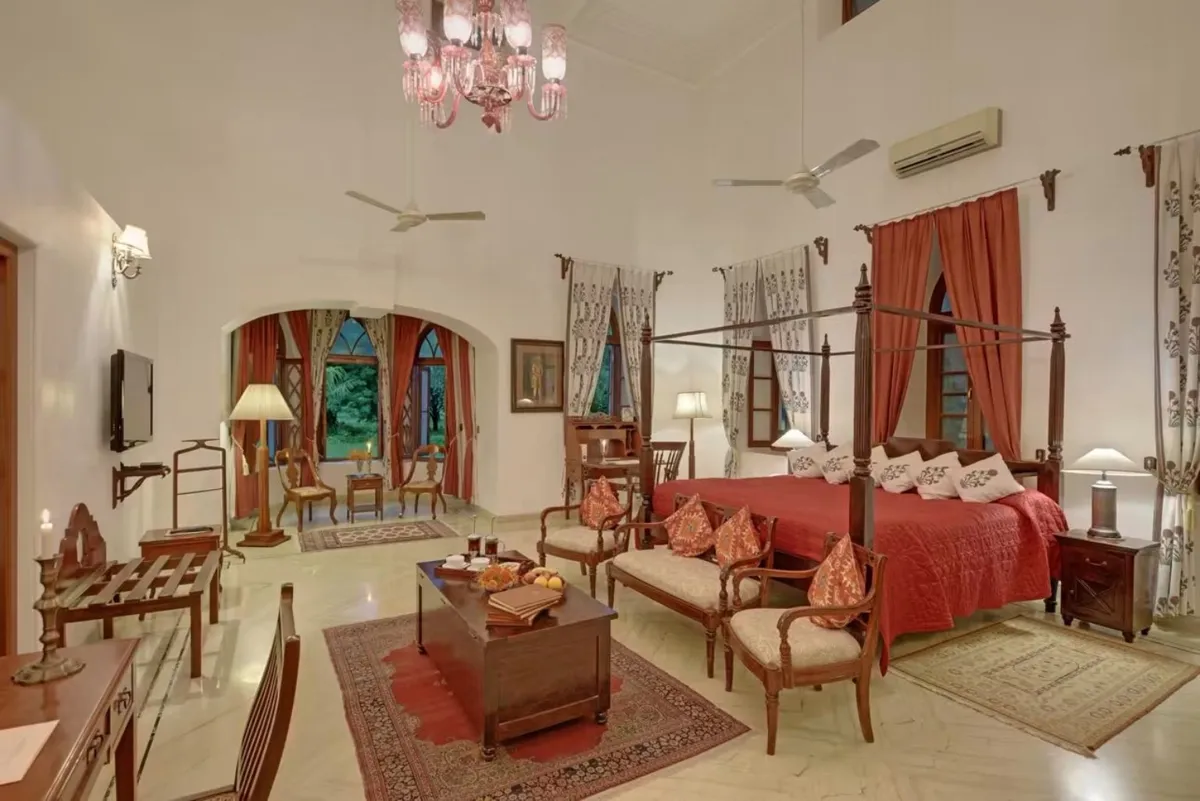
Some guests enjoy the character of an old haveli or palace. Others prefer a modern room, a lift, a reliable restaurant and an easy arrival after a long drive. A journey can combine these styles, with a special stay where there is enough time to appreciate it.
The details of the room also matter. Bed preferences, bathroom arrangements, steps, views and meal plans should be discussed rather than assumed. Where something is important to your comfort, the team can raise it with the property before the booking is confirmed and explain the options available.
For our guests, the aim is to make informed choices. Travel in Layers presents hotel ideas as starting points, then narrows the selection around your priorities and budget. Your written trip plan identifies the proposed stay and room category. The aim is to find places where you can rest well, feel comfortable and enjoy another side of the destination between your planned visits.
Understanding the places you visit
Zafar Adeeb is part of the Travel in Layers team. A rewarding visit includes more than a list of sights: the stories, everyday customs and human connections that help a traveller understand a place. India’s landmarks are remarkable, but they become more interesting when there is time for context and questions.
Read more about Zafar Adeeb
A market walk, a conversation about a craft or a carefully chosen food stop can add a different perspective to a day of sightseeing. These experiences work best when they fit the guest’s interests and are arranged with respect for the people who live and work there.
Travel in Layers aims to balance well-known sights with smaller discoveries. There is no need to include every temple, palace or museum in one day. Choosing a few visits carefully can leave more time to notice architectural details, ask a guide a question or simply enjoy the atmosphere.
Our aim is to encourage a curious and considerate approach to exploring. Local encounters depend on willing hosts and suitable arrangements, and photography should respect people’s wishes. Guests are encouraged to tell the team what they would most like to understand, whether that is history, food, faith or daily life. That conversation helps shape a private journey with both memorable sights and a clearer sense of the places behind them.
Clear information at every step
Kavya Singh is part of the Travel in Layers team. A simple but important part of our approach is this: planning a holiday should not feel confusing. Guests should be able to understand the proposed route, compare their options and ask questions without needing to know every destination before they begin.
Read more about Kavya Singh
A helpful trip plan explains where you will stay, how you will travel and which activities are included. It also distinguishes firm arrangements from optional ideas. Prices, room categories and any supplements need clear wording so that the guest can judge the complete proposal.
This matters especially when a holiday has several stages. A flight, a train journey, a road transfer and a hotel stay may be booked separately, but they need to make sense together. The planning conversation should help guests see the shape of the whole trip rather than a collection of disconnected reservations.
Our aim is to make the planning process patient, organised and easy to follow. Travel in Layers welcomes questions about pace, practical access, meals and time at leisure. If a suggestion does not feel right, it can be discussed and adjusted before booking. The aim is a clear understanding on both sides, so that the journey begins with realistic expectations and a plan shaped around the traveller.
Time for local life and nature
Joyanta Rabha is part of the Travel in Layers team. A rewarding India journey also makes room for quieter experiences: landscapes, local traditions and time to notice what is happening around you. These moments can be as memorable as a famous monument when they are given enough space.
Read more about Joyanta Rabha
A countryside stay, a village visit or a morning with a naturalist offers a different rhythm from a busy city. The best choice depends on the guest’s interests, the season and the practical arrangements available. Not every experience needs to be adventurous or physically demanding to be rewarding.
Travel in Layers aims to discuss walking, travel distances and local access before adding these activities to a route. Community visits should involve willing hosts, and wildlife experiences should respect the setting and the guidance of local specialists. Sightings and encounters can never be treated as guaranteed performances.
The aim is to travel with interest and consideration. Spending longer in fewer places can make room for conversation, observation and rest. Guests can share whether they prefer scenery, birdwatching, craft, food or an introduction to local life. The team can then suggest experiences that fit the wider journey, with enough flexibility to enjoy both the planned visits and the quieter time between them.